Fascial relaxation and yoga pants: the “resonant relationship” between body and fabric

In the morning yoga studio, the air is filled with the subtle aroma of wood and the sound of warm breaths, while the yoga mats on the floor gently bounce. Wearing well-fitting yoga pants, every stretch and breath seems to resonate subtly with the fabric—it’s more than just exercise but a healing interaction between body and fabric. Fascia science reveals that every layer of connective tissue in the body transmits tension and pressure, and the right yoga pants can help release this tension, making wearing a pair of yoga pants a healing experience.
Table of Contents
Fascia Science Interpretation: The Subtle Interaction of Pressure and Touch
Fascia is a network of connective tissue that covers the entire body, connecting muscles, bones, and organs. Studies have shown that tight fascia can limit range of motion, leading to soreness and stiffness. Scientifically designed yoga pants, with their flexible fabric and pressure distribution, can simulate a gentle massage, promoting smooth fascial movement and blood circulation.
The design of tactile properties and pressure gradients is crucial. For example, high-stretch areas conform to the hip and leg lines, providing gentle support. Relaxed areas, such as behind the knees or the back of the calf, utilize breathable, soft fabrics to avoid excessive localized pressure. This pressure stimulation allows the fascia to more effectively release adhesions and restore tissue elasticity.
Furthermore, the “resonance” between the fabric and the body isn’t one-way. As the body moves slightly during exercise, the fabric stretches and rebounds accordingly. This dynamic feedback enhances muscle proprioception, making exercise more precise while relieving potential fascial tension points.
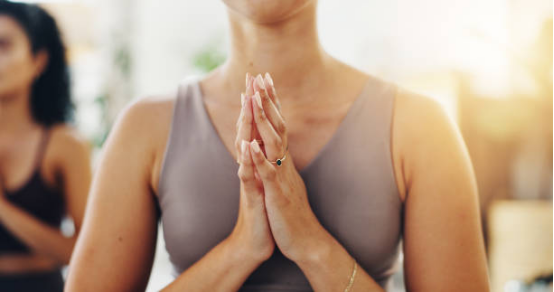
Wearing is healing: from tactile design to motion experience
Yoga instructor Lin Yue (pseudonym) shared, “The right yoga pants can allow students to feel slight support during stretching and twisting movements, helping muscles and fascia to relax naturally.” The wearing experience is not limited to comfort but also includes a feedback mechanism: when the body stretches, the fabric provides moderate resistance, promoting muscle group engagement while protecting sensitive areas from excessive pulling.
For example, when performing Downward Dog or Pigeon Pose, the yoga pants’ snug fit provides flexible support for the hips and legs, while the relaxation areas at the knees and back of the thighs allow the fascia to stretch smoothly. User experiences show that after 20-30 minutes of practice, leg and back fascia tension is significantly reduced, resulting in a stronger sense of recovery after exercise, a concrete manifestation of the “wearing is healing” concept.
Fabric technology and functional innovation
Modern yoga pants not only focus on tactile feel but also incorporate innovative fabric technologies for functional innovation. High-density elastic fibers, breathable mesh, and moisture-wicking technology ensure the fabric maintains its shape and support during stretching and movement. Some brands incorporate micro-compression fibers, which stimulate microcirculation in muscles and fascia through gradient compression, aiding lactic acid metabolism and tissue relaxation.
Innovative styles even utilize zoned compression: light coverage in the core enhances stability, while surrounding muscle areas are soft and breathable, creating a balanced tension system. This design concept, inspired by the principles of physical therapy and sports rehabilitation, transforms clothing into a daily light therapy method, rather than simply a functional garment.
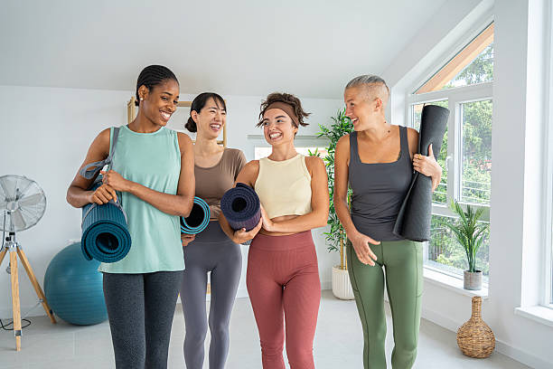
User practice and daily application
In daily practice, wearing yoga pants for 30-60 minutes of yoga or stretching training can balance fascia relaxation and muscle activation. The recommended strategies for different needs are as follows:
- Gentle stretch and relaxation: Choose soft, light-compression styles that allow the fabric to conform to your movements without creating a strong constraint, perfect for stretching in the morning or before bed.
- Strength training or postpartum recovery training: Choose yoga pants with a gradient compression design to provide light pressure support in the core and pelvic areas while retaining the stretch area to assist in movement accuracy.
- Everyday Wear: Breathable and soft style can be worn for light activities or office stretching, using the light pressure of the fabric to help muscles maintain micro-tension and reduce the stiffness of sitting for a long time.
The combination of wearing experience and movement feedback is the key resonance point between fascia relaxation and fabric design. During practice, users not only feel the support of the fabric but also improve their posture and body perception through subtle feedback.
Trend Insights: Yoga Pants and the Future of “Wearable Therapy”
With the increasing popularity of fascia science, future yoga pants will increasingly emphasize functional design: pressure gradients, tactile zones, and dynamic stretch fabrics will become core selling points. Wearing yoga pants is no longer just about comfort; it’s also about engaging with the body for micro-therapy. Brands are also beginning to integrate sports science with material innovation, integrating the concept of “wearing is healing” into daily life, meeting users’ comprehensive needs from exercise to recovery.
It’s conceivable that the next generation of yoga pants could feature intelligent pressure regulation, automatically varying local compression based on movement or muscle activity, enabling personalized fascia relaxation solutions. This trend further integrates sports equipment with rehabilitation science, allowing fabric to truly become an extension of the body.
The resonant relationship between fascia and fabric is more than just a design concept; it’s a fusion of science and experience. The right yoga pants can help relax fascia through stretching, twisting, and breathing, turning wearing into a form of light healing. In the future, whether it’s morning yoga or a relaxing daily stretch, understanding the interaction between body and fabric will add scientific support and sensory enjoyment to every practice.