Postpartum recovery yoga pants: the golden ratio of light pressure and relaxation

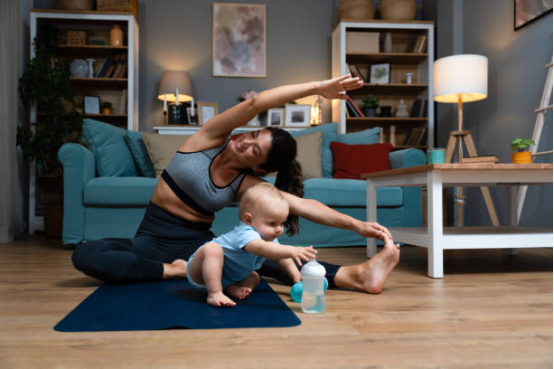
In a postpartum yoga class in early spring, warm sunlight streams across the floor as mothers gently stretch, their breath and movements flowing in harmony. At this moment, the snug-fitting yoga pants aren’t just comfortable exercise gear; they subtly adjust muscle support and pressure distribution, providing scientific support for recovery. During the postpartum recovery period, choosing the right yoga pants means finding the perfect balance of gentle pressure and relaxation, nurturing both body and mind.
Table of Contents
Light pressure support: provides protection for the core and pelvis after childbirth
Postpartum women face pelvic relaxation and weakened abdominal muscles. Yoga instructor Chen Lin (pseudonym) points out, “In the first few months after childbirth, the core and pelvic floor muscles need gentle stimulation, not strong restraint.” The light compression design of high-stretch yoga pants provides necessary support, helping the pelvis return to its original position while reducing the strain on the waist and hip joints.
The compression is typically distributed in a graduated fashion: light support in the lower abdomen and pelvis to avoid excessive localized pressure, while moderate coverage in the thighs and buttocks provides muscle stability during movement. Studies have shown that this gradient compression can improve postural control and balance during postpartum walking and light stretching.
In actual classes, when wearing light-compression yoga pants to perform Cat-Cow, Bridge Pose, or Half Moon Pose, the sense of support in the core and pelvic area is significantly enhanced, while not restricting the range of stretching, helping mothers recover strength within a safe range.
Relaxation Zone: Allowing Muscles to Breathe and Recover
In addition to providing gentle support, postpartum yoga pants should also feature relaxation areas, particularly around the back of the hips and calves. Yoga instructor Chen Lin advises, “Postpartum muscles need to regain their elasticity; excessive compression can actually affect blood circulation.” High-quality yoga pants utilize soft fabrics or mesh weaves in these areas, allowing muscles to breathe during movement or static stretching while maintaining overall support.
The relaxation area not only improves comfort but also promotes blood flow to the lower extremities, accelerating lactic acid metabolism and tissue recovery. Combining this with postpartum recovery exercises, such as leg stretches, kneeling stretches, and breathing exercises, can maximize the relaxation effect and achieve a balance between light pressure and relaxation.
User feedback shows that after practicing in scientifically designed yoga pants for 30-45 minutes, leg soreness is significantly reduced and core muscle engagement is enhanced. This combination of light pressure and relaxation has been proven to be particularly effective in postpartum care scenarios.
Functional materials and fabric technology
Postpartum recovery demands even higher fabric requirements: they must be soft and comfortable, yet stretchy and supportive. Modern yoga pants often utilize a spandex and nylon blend, achieved through high-density weaving to create a stretch gradient. Some brands incorporate breathable mesh and moisture-wicking technology to quickly dissipate sweat and heat, preventing localized overheating during exercise.
Some high-end styles incorporate pressure-sensitive fibers or micro-pressure designs, automatically adjusting support according to muscle contraction and extension during exercise. This technology not only scientifically simulates the effects of physical therapy but also gently activates postpartum muscles, accelerating recovery.
User Practice and Wearing Suggestions
When choosing yoga pants, postpartum mothers can consider their body shape, recovery stage, and exercise type:
- Early recovery (1-6 weeks postpartum): Prioritize light compression styles, focus on core and pelvic area support, and avoid high-intensity compression.
- Mid-Training (6-12 weeks postpartum): Moderately compressed style for postpartum yoga, Pilates, or light aerobic training.
- Long-term body shaping (more than 3 months after delivery): You can choose medium-to-high compression styles to achieve muscle support and line shaping in parallel.
In addition, it is recommended to wear it 10-15 minutes before training and 20-30 minutes after training to assist muscle recovery. The gradient compression design requires regular replacement to ensure lasting elasticity and support.
Yoga instructor Chen Lin advises postpartum mothers to pay attention to their body’s feedback during practice: whether their core is fully engaged, whether their pelvic area is comfortable, and whether blood flow to their lower extremities is smooth. Yoga pants can only achieve the optimal recovery effect when the right balance of gentle pressure and relaxation is achieved.
Postpartum recovery isn’t just about rebuilding physical strength; it’s also about regulating your mind and self-esteem. The right yoga pants can provide scientific support without sacrificing comfort, allowing mothers to practice with greater peace of mind and effectiveness. The golden ratio of gentle pressure and relaxation is not just a clever design idea; it’s also a reflection of postpartum recovery science.