A cross-border perspective: Differences in Yoga Pants Styles for European, American, Japanese, Korean, and Chinese Women

Whenever I’m on a business trip or traveling, I can’t help but observe the subtle details of the local women’s outfits—especially their yoga pants. Even across different countries and cultural backgrounds, women’s preferences for style, cut, color, and functionality vary significantly. The casual comfort of Western women, the refined and compact style of Japanese and Korean women, the trendy mix-and-match style of Chinese women… These differences not only reflect cultural styles but also influence market trends and brand strategies. Today, I’d like to analyze the unique preferences of European, American, Japanese, Korean, and Chinese women in yoga pants from a cross-border perspective , helping you better understand the “unspoken rules” of the global yoga pants market.
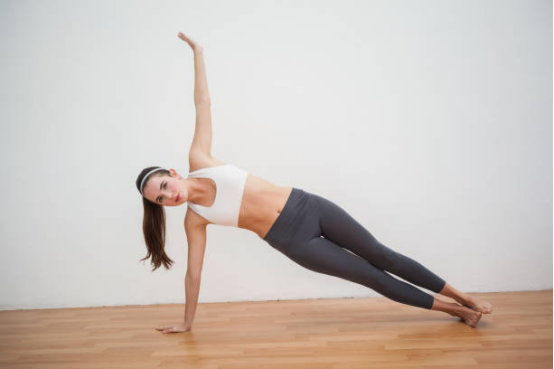
European and American girls: comfort and functionality first
In Europe and the United States, yoga pants are not only a piece of equipment for yoga classes, but also a part of daily wear. When choosing yoga pants, American and European women tend to pay more attention to comfort and functionality.
Fabric and Cut : High-stretch spandex and polyester blends are the most common, accommodating high-intensity stretching and running training. European and American women prefer high-waisted, tight-fitting styles that emphasize the hips and legs, while also requiring trouser legs that don’t curl up.
Color and Style : Mainly neutral and desaturated colors, such as black, gray, and dark green, focusing on versatility and being able to be easily paired with sports bras or outerwear. Patterns are generally simple, with a small number of geometric or abstract prints.
Practicality : Pocket design, moisture-wicking properties, and wear resistance are all important considerations. A New York yoga instructor shared that her favorite yoga pants are versatile ones that can be used for running, squats, and stretching. “One pair of pants can handle both the gym and daily commute.”
European and American women have a clear logic for choosing yoga pants: comfort, functionality, and versatility. This also explains why sales of high-performance yoga pants have remained high in the European and American markets.
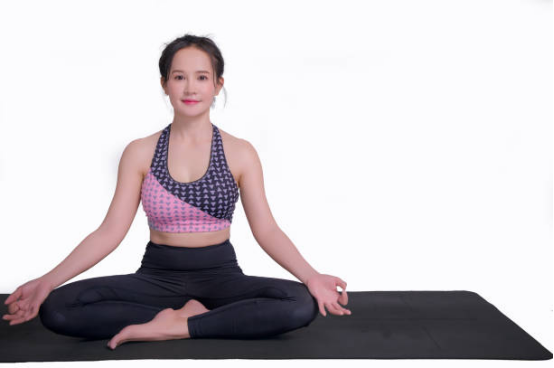
Japanese and Korean girls: exquisite and fashionable
Compared to European and American women, Japanese and Korean women place greater emphasis on refined tailoring and visual appeal when choosing yoga pants . Well-matched yoga pants can be seen everywhere on the streets of Tokyo and Seoul. Even when women aren’t hitting the gym, they choose to wear the right yoga pants for everyday leisure or light exercise.
Cut : Japanese and Korean women prefer cropped pants with slightly tapered legs and a slightly higher waistband, but not too restrictive. They create a slim fit that emphasizes the leg, while the fabric is soft enough to allow for a slight stretch.
Color and Print : Light colors, pinks and soft gradients are more popular, with delicate patterns such as flowers, polka dots or small brand logos.
Balance functionality and comfort : While aesthetics are key, breathability and slight compression must be maintained. Some brands even add hidden storage pockets at the hems or waistband for added convenience without disrupting the visual aesthetic.
I once saw a girl in a yoga studio in Tokyo wearing pink gradient yoga pants with a simple sports top. Her movements were elegant and unrestrained. She smiled and said, “I like pants that look good and allow me to stretch freely.” This concept of combining refinement and comfort is a unique label for the Japanese and Korean markets.
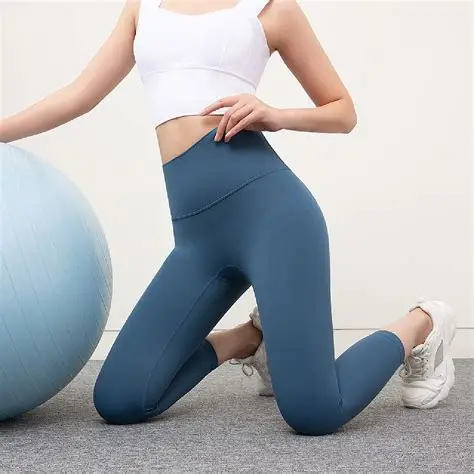
Chinese girls: trendy and versatile
In China, the popularity of yoga pants is closely linked to social media and fitness trends. More and more women are using yoga pants not only as sportswear, but also as part of their streetwear.
Design Preferences : Chinese women prefer a variety of options, including high-waisted leggings, slightly flared pants, and printed pants. Brands often add breathable mesh, patchwork, or reflective elements to the waistband and legs, balancing athletic functionality with a trendy feel.
Colors and Patterns : Black remains the mainstream, but pink, purple, gradient colors, and animal prints are also becoming increasingly popular. In photos of workout outfits posted on social media, almost every pair of yoga pants strives for visual impact and personalization.
Functional requirements : Similar to European and American women, Chinese women also pay attention to moisture wicking, wear resistance and elasticity, but they prefer “all-scenario applicability”, that is, they can be worn in yoga classes, running, shopping or coffee shops.
Real user feedback shows that many Chinese women prioritize appearance when purchasing their first pair of yoga pants , before also considering comfort and athletic performance. This demand for “fashion + functionality” has driven yoga pants brands in the Chinese market to continuously innovate fabrics and designs to meet the diverse lifestyles of young consumers.
Design trends and cross-border inspiration
Combining the differences between Europe, America, Japan, South Korea, and China, we can see several trends:
High-waist design is a consensus : no matter which market, high waist is the basic style of yoga pants , which is both shaping and comfortable.
The functionality of fabrics is constantly being upgraded : moisture-wicking, four-way stretch, antibacterial and anti-odor fabrics are favored worldwide.
Regional culture influences aesthetics : European and American girls prefer functionality and versatility, Japanese and Korean girls pursue refinement, and Chinese girls emphasize fashion and applicability in multiple scenarios.
Visual social media influences purchases : Especially in China, Japan, and South Korea, social media platforms have driven sales of colorful and printed yoga pants .
For brands and consumers, understanding these cross-border differences means more precise product selection, design, and marketing strategies. For example, if a brand targets the European and American markets, high performance and simplicity and versatility are key; while targeting the Japanese, Korean, or Chinese markets, visual design and trendy elements must also be considered.
Summarize
From Europe and the United States to Japan and South Korea, and then to China, the diverse styles of yoga pants reflect not only cultural differences but also evolving consumer needs. While European and American women emphasize comfort and functionality, Japanese and Korean women pursue refinement and aesthetic lines, and Chinese women prefer trendiness and versatility.
When you buy next When choosing yoga pants , it’s worth considering your needs first: functionality first, visual refinement, or a trendy mix and match? A cross-border perspective tells us that choosing the right yoga pants is far more important than blindly following trends.