Yoga pants in the era of minimalist wardrobes: the philosophy of less is more

In an era where fast fashion is out and rational consumption is in, wardrobes are evolving from a plethora of colorful pieces to a laboratory for experimentation centered around function and texture. Yoga pants, once considered a staple of the yoga studio, are now becoming a symbol of “functional minimalism.”
As people rethink “how many clothes I really need,” these soft, stretchy pants that can adapt to multiple scenarios are reshaping our lifestyle.
When ‘sweatpants’ become the new uniform: The wisdom of simplifying your choices
As the boundaries between commuting, staying home, exercising, and even remote work blur, a pair of high-quality yoga pants is no longer just fitness gear; it’s a life interface.
They can transition directly from morning exercise to meetings, from lazing on the sofa to impromptu coffee shop work. Instead of a tedious dressing ritual, a seamless transition into life becomes possible.
Many working women have begun to incorporate “sweatpants” into their daily uniforms, not only because they are comfortable, but also because they represent a simplification of decision-making. Thinking about one less thing every day means leaving more energy to think about truly important goals.
Research suggests that simplifying clothing choices can significantly improve the efficiency of daily decision-making. Yoga pants are more than just a pair of pants; they represent a form of “decision-making economics.”
One piece for multiple uses: the aesthetic of functional integration
The core of a minimalist wardrobe is “multiple uses.”
Departing from the traditional three-part division of “sports, commuting, and leisure,” new design trends favor clothing with “multi-functional adaptability”—and yoga pants are the epitome of this trend.
Today’s high-end brands are no longer content with just elasticity and breathability; they are incorporating high-tech fibers like recycled nylon and plant-based spandex, giving fabrics not only support but also antibacterial, wrinkle-resistant, and quick-drying properties.
These features mean a single pair of pants can easily cover three scenarios: providing stable support during exercise, keeping you dry while traveling, and maintaining a sharp silhouette while working.
More importantly, designers are gradually diluting the label of “athletic style.” You will find more and more yoga pants with seamless tailoring, slightly shiny surfaces, and minimalist lines, making them easy to match with shirts, sweaters, and even suit jackets.
“Functionality is aesthetics.” This philosophy that sounds cold is entering our wardrobes in the softest way.
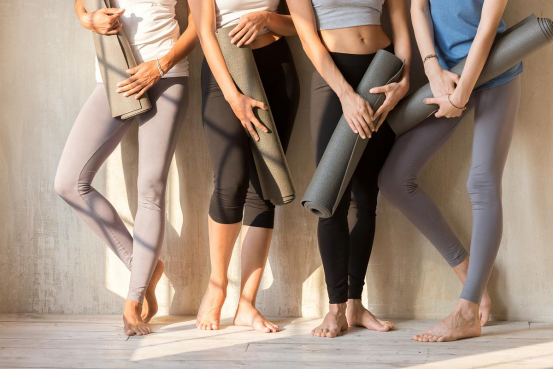
Buy less, but buy better: the core logic of sustainable dressing
Minimalism has never been just a visual style; it’s a sense of responsibility.
As the apparel industry increasingly emphasizes sustainable supply chains, the manufacturing logic of yoga pants is being redefined—shifting from disposable consumption to circular design.
wear butMore and more brands are using recycled fibers and traceable dyes, such as using yarn from discarded fishing nets to make highly stretchable fabrics or using low-energy dyeing to reduce carbon emissions.
These pants are not only light to wear, but also make “every stretch” ethically light.
Consumers are also waking up: instead of buying ten pairs of mediocre sweatpants, it is better to invest in a pair of high-quality yoga pants that can be worn for five years.
The philosophy behind this is not “thriftiness” but “optimization”: less is more, but the premise is that “more” must be worth it.
—theyThe essence of a minimalist wardrobe lies in the precision of choice, and this is precisely why yoga pants have become an iconic item – they allow sustainability and aesthetics to reach a consensus in reality.
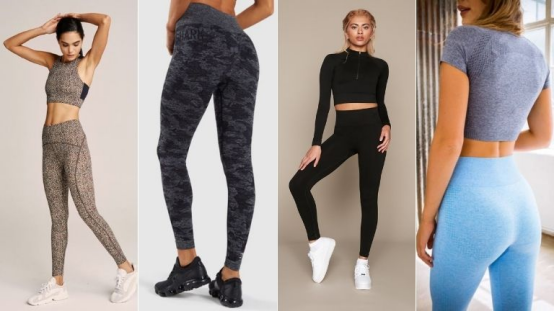
The shift in fashion: from trends to everyday values
Once, “trend” meant a quick transition; now, it’s more like a long-term commitment.
“Sportswear” used to be a gesture, but now it’s an extension of a lifestyle.
logos butThe rise of yoga pants reflects a shift in consumer psychology:
They’re no longer obsessed with logos, but are more concerned with whether clothing can truly improve their lives.
Consequently, we’re seeing many brands shifting toward a “quiet design language”—de-emphasizing brand labels in favor of touch, durability, and fabric sourcing.
off butIt’s fair to say that yoga pants are one of the most honest pieces in contemporary fashion. They don’t attract attention with elaborate decorations but rather earn loyalty with enduring comfort.
They’re not meant to show off, but to exist with a lighter touch.
This is the most beautiful contradiction in the era of minimalist wardrobes: it seems to have less, but it makes you feel that you have more.
Freedom from Body to Mind: The True Extension of Minimalism
When your wardrobe shrinks from 50 pieces to 15, getting dressed becomes easier than ever.
Yoga pants are a symbol of this transformation because they embrace not only the changing shape of our bodies but also our acceptance of ourselves.
In a sense, this way of dressing is an expression of “bodily autonomy.”
No zipper constraints, no rigid lines, only elasticity and fit—this is exactly the “order in flow” that minimalism pursues.
It makes people realize that freedom is never about rejecting constraints but about finding a more natural way to exist.
This may be the ultimate meaning of “less is more”: stripping away unnecessary forms and returning to the authentic experience.
The transition from choice to belief
A minimalist wardrobe isn’t about “refusing to buy” but about “making smarter choices.”
Yoga pants are successful not just because they’re comfortable, but because they represent, in a way, the future of wardrobe evolution—
a dressing philosophy that blends functionality, simplicity, and awareness.
Next time when you are choosing clothes, maybe you can think about a deeper question:
“Can this piece of clothing accompany me across multiple scenarios?”
If the answer is yes, then it may be the “standard configuration of the minimalist era.”