
While many people practice yoga simply to become stronger or more flexible, Kundalini Yoga takes a different approach. It’s more of a spiritual exploration, allowing people to gradually quiet their minds and feel the energy flowing through their bodies. Whether you’re 20 or 60, trying this style of yoga will reveal not only physical changes but also a transformation of your mind. Incidentally, many people wear yoga pants to this class because the wide range of movements and the relaxed fit of the clothing enhance the experience.
What is Kundalini Yoga?
Kundalini Yoga combines movement, breath control (pranayama), meditation, and mantra chanting. Its goal isn’t just to build physical strength, but to help people develop a deeper sense of self.
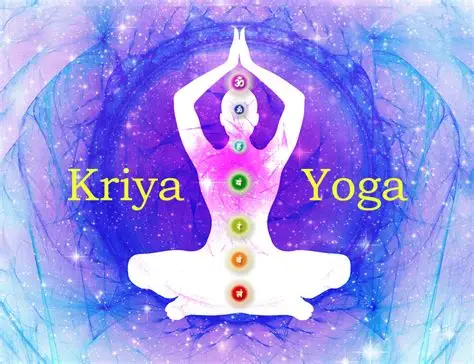
In the yogic tradition, Kundalini is described as an energy that lies dormant at the base of the spine, often likened to a coiled snake. When practiced correctly, this energy gradually activates the seven chakras until it reaches the crown chakra, which is known as awakening or enlightenment.
In contrast, it is different from power yoga or hot yoga. It is not mainly about consumption, but focuses on spirituality and inner connection. Some people say that sitting on the mat, even just breathing quietly, can feel a kind of subtle balance.
Common practice elements
Kriya
The common asana combinations in Kundalini classes are called kriyas. They aren’t random combinations, but rather a fixed sequence of movements, combined with breathing and energy bandhas (bandhas). Some kriyas require rapid repetition, while others require several minutes of stillness.
In this kind of practice, you will find that the comfort of clothing is very important. For example, many people choose yoga pants because the stretchability of tight pants allows them to maintain postures or repeat movements without being restricted.
Handprints
Hand gestures also play a crucial role in Kundalini practice. The most common prayer mudra (Anjali) involves placing palms together in front of the chest to help calm the mind. Another mudra, Gyan, involves touching the thumb and index finger together, believed to enhance focus and receptivity.
spells
Chanting mantras is a unique part of the Kundalini. Common ones include “Sat Nam” (Truth is my true nature) and “Ong Namo Guru Dev Namo” (Hail to the Inner Wisdom). Even if you don’t understand the original words, the vibrations of the chanting itself can bring a sense of peace.
Chakra
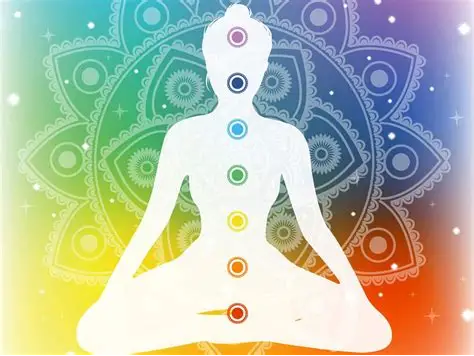
The body has seven energy centers, each representing a different level of consciousness. For example, the root chakra corresponds to a sense of security, the heart chakra represents love and compassion, and the crown chakra points to a higher level of understanding. During practice, many kriyas activate specific chakras, allowing energy to flow more smoothly.
The benefits of practice
Relieve stress and anxiety:
Some studies have shown that after several weeks of Kundalini practice, stress levels in students and adults have significantly decreased. It even has a certain auxiliary effect on patients with PTSD.
Improve cognition and mood
For older people, regular exercise can help improve memory and executive function, while also reducing depression and apathy.
Helps manage blood sugar
. Studies have shown that Kundalini Yoga can regulate hormone secretion, thereby lowering blood sugar, which is especially beneficial for people with type 2 diabetes.
Flexibility and
circulation exercises can improve flexibility and reduce back pain. Breathing and stretching can also help improve blood circulation, which can help your body recover faster.
What does a typical class look like?
Classes typically begin with a brief chant, followed by some spinal warm-ups, before moving into a kriya sequence and concluding with meditation. The teacher sometimes uses gong sounds or mantras to help students enter a deeper state.
There’s no strict dress code for class. Some people wear loose-fitting white shirts, while others find yoga pants more comfortable—they don’t slip when sitting or cross-legged, allowing for smooth and natural movements. Some teachers even caution that the comfort of your clothing can impact your ability to truly relax.
Are there any risks?
Some people do have concerns about Kundalini, fearing that practice might trigger suppressed emotions or even cause psychological distress. However, research has shown that these risks are reduced under the guidance of an experienced instructor. If you already have mental health issues, it’s best to consult a professional doctor or therapist before considering trying it.
History and Heritage
In India, Kundalini was long taught in secrecy, only between teachers and students. It wasn’t until 1968, when Yogi Bhajan brought it to the United States and founded the 3HO organization, that the practice became more accessible. Today, it has become one of the most popular yoga schools in the Western world.
When practice meets tranquility
Kundalini Yoga is not just a sequence of movements, but a complete practice that combines breathing, mudras, mantras, and meditation. It is suitable for those who want to touch the spiritual level in addition to physical exercise.
Whether you practice on a sheepskin or on a mat in yoga pants, the key lies in your ability to calm down and feel the energy flowing through your body. The true reward lies not in your appearance, but in your focus and awareness.