Evening relaxation guide: How to improve sleep quality with yoga pants and bedtime yoga?

If you frequently toss and turn in bed, struggling to fall asleep, you’re definitely not alone. According to the American Sleep Association, approximately one-third of adults experience sleep deprivation. Personally, I’ve found that evening yoga, paired with the right yoga pants , truly relaxes the body and improves sleep quality. In this article, I’ll share some simple and practical tips to help you drift off to dreamland.

Small preparations before bedtime yoga to make relaxation more efficient
Before you even roll out your yoga mat, there are a few little things you can do to significantly improve your relaxation:
Finish chores, but don’t rush them
. Try to finish any housework, emails, or bills before your practice. A tip is to try to do them mindfully—take your time and focus on each movement. This way, your mind won’t be constantly “tick-tick-tick” about unfinished tasks while you’re practicing.
Minor adjustments to your diet and fluids:
Keep dinner light and avoid spicy or greasy foods. Ideally, eat dinner 2-3 hours before yoga. If you’re hungry, enjoy a small, easily digestible snack. Stay hydrated, but avoid large amounts of water or cold beverages before practice to avoid stimulating the body. Cut off caffeine consumption in the afternoon, and avoid alcohol several hours before practice.
Walking and mindfulness:
Taking a 10-20 minute walk after dinner can help digestion and clear your mind. While walking, you can consciously observe your breathing and steps, allowing your body to slowly enter a state of relaxation.
Set up your practice space.
A clean, comfortable, and softly lit space will make bedtime yoga more effective. Create a calming atmosphere with a small blanket, soft music, or candles so you can naturally relax.
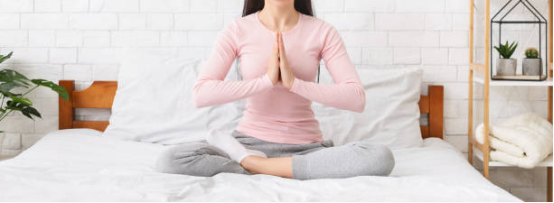
Bedtime Yoga Poses and Techniques
Set a small intention
to begin your practice, giving yourself a key word like “relax,” “soften,” or “release.” Return to this intention throughout your practice to help ground your mind.
pranayama
or abdominal breathing. Try three-part breathing, alternate nostril breathing, or equanimity breathing. These can calm the nervous system and prepare for deep rest.
Slow and gentle movements
are recommended. Fast-paced flow yoga is not recommended before bed. Choose seated or floor poses and transition slowly. Twists and forward bends can gently relieve tension. Breathe slowly between movements to give your body and mind a break.
for restorative poses
. Try restorative yoga poses, ending with Shavasana, to help you transition smoothly into bed.
yoga nidra
or sound bath meditation recordings to help you get into a deeper state of relaxation. Apps like Insight Timer have a lot of free resources to try.
Observation and adjustment
Everyone’s body and mind are different. Experiment with different poses and breathing techniques and note which ones work best for you. Sometimes you might find that a gentle forward bend is more effective than meditation, or that a specific breathing technique is more relaxing. Trust your inner wisdom to guide you in finding the best bedtime yoga method.

Choose the right yoga pants to make your evening practice more comfortable
The choice of pants is really important for evening yoga. I personally recommend:
Snug yet stretchy : allows for easy leg extension and a comfortable waist without being constricting.
The material is breathable and soft : polyester fiber + spandex blended fabric is the most ideal, and the pockets and pants have consistent elasticity without affecting movement.
Let evening yoga be your little sleep secret
Sleep problems don’t usually go away overnight, but with a regular evening yoga practice and the right yoga pants , you’ll gradually notice: falling asleep faster, waking less frequently during the night, and waking up more refreshed in the morning.
May your nights be like a gentle transition, with yoga serving as a bridge to peaceful rest. Pick out a comfortable pair of yoga pants , start your bedtime ritual, and make each night of sleep a wellspring of restoration and renewal.