The savior of sedentary people: yoga pants and lower limb pressure balance

In the afternoon office, fluorescent lights still calmly illuminate rows of monitors, screens flickering, and the aroma of coffee fills the air. But beneath this quiet efficiency lie pairs of legs trapped by prolonged sitting. Numbness, swelling, and even dull pain, like an invisible band, wrap around every office worker’s lower limbs. Modern people spend almost as much time in their chairs as they do sleeping—a critical time for circulatory and muscular health.
Thus, a new clothing concept has emerged: yoga pants are no longer just a symbol of the gym; they are becoming a “second layer of muscle” that maintains pressure balance in the lower limbs of the office.
Table of Contents
The hidden danger of sitting for a long time: when blood is “trapped” in the legs
Studies show that adults spend an average of over nine hours sitting per day, with over 60% reporting varying degrees of lower limb edema or poor circulation. Prolonged periods of inactivity can impede venous return, leading to blood “pooling” in the lower limbs and reduced microcirculatory efficiency in the ankles and knees.
When this condition persists, it not only causes fatigue but can also create a breeding ground for varicose veins.
The key here is the pressure gradient. Normally, leg muscles naturally squeeze blood vessels during exercise, pushing blood toward the heart. However, when sedentary for extended periods, this “muscle pump” system becomes dormant. This is where technological yoga pants come in—they utilize a zoned stretch fabric to simulate muscle contraction, revitalizing circulation in the lower limbs through a rhythmic, even compression and release.
According to a study by the American College of Sports Medicine (ACSM), wearing moderate-pressure stretch clothing (10–20 mmHg range) can effectively increase venous return by approximately 30%, significantly reducing the risk of swelling after prolonged sitting. This is why more and more office workers are choosing high-performance yoga pants.
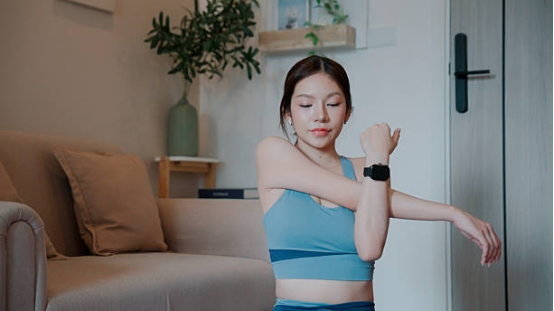
The Science of Pressure-Relief Support: When Fabric Becomes an “Active System”
Truly excellent yoga pants are more than just “tight-fitting.” Their magic lies in dynamic support—by varying the density of the fabric in different areas, a pressure gradient is created to support muscle groups and promote circulation.
Take the buttocks and thighs, for example. These areas often bear the most sustained pressure from the seat surface. The high-quality fabric features a four-way stretch construction, which maintains support while distributing pressure points during prolonged sitting, preventing soreness and swelling from prolonged compression. The more flexible weave around the knees and calves facilitates micro-movements, encouraging micro-exercises while seated.
Some high-end yoga pants also introduce temperature-regulating fibers and use microporous structures to improve air circulation, allowing the skin to “breathe” in a tightly wrapped manner. This means that even during an eight-hour meeting, you won’t feel stuffy or restricted.
Designers call this concept “passive-active balance”—a combination of passive support and active pressure relief. It doesn’t require you to leave your seat, but it reactivates your circulatory system without you even realizing it.
The microcirculation revolution in the office: when comfort becomes productivity
Traditionally, comfort and professionalism seem contradictory. However, as more and more companies introduce a “wellness culture,” comfort has become a highly effective catalyst.
Human resources data analysis at a tech company shows that when employees wear high-support yoga pants at work, they spend an average of 14% less time sitting and increase their movements by nearly 40%. This isn’t because the pants force them to exercise, but rather because they feel lighter, which naturally increases their willingness to move.
This intangible improvement also impacts our emotional well-being. Psychologists note a bidirectional correlation between muscle tension and anxiety. When tension is relieved in the lower limbs, relaxation signals in the brain are enhanced. Simply put, comfort can transform our mindset.
Several financial institutions in Japan have even launched “smart office wear programs,” encouraging employees to wear supportive sweatpants or yoga pants on days when they are not working with clients to reduce fatigue. This trend is quietly spreading, and from finance to technology and creative industries, comfort is becoming the new standard for workplace productivity.
From yoga mats to office chairs: the extension of cross-scene wear
Originally designed for yoga practice, yoga pants offer high stretch, a snug fit, and support. However, modern textile technology has expanded their applicability, extending from sportswear and leisurewear to the “smart casual” office style.
Today’s designers are no longer solely focused on sportiness; they are combining relaxation with fashion. Their subtle tailoring, matte texture, and light-reducing hues make them effortlessly paired with shirts or knit tops, seamlessly transitioning from the meeting room to the café.
More importantly, that feeling of being supported brings a sense of peace of mind on a subconscious level. In a way, it shifts one from passively sitting and working to actively controlling their bodies. It’s like an invisible reminder that you’re still in control.
Meanwhile, some brands have launched a “work balance” series, designed for office wear. These pants feature low-friction, fitted fabrics at the knees and hips and incorporate a light support belt at the waist to reduce the strain on the lumbar spine caused by prolonged sitting. This detailed design elevates yoga pants from simply being athletic wear to becoming a tool for daily health management.
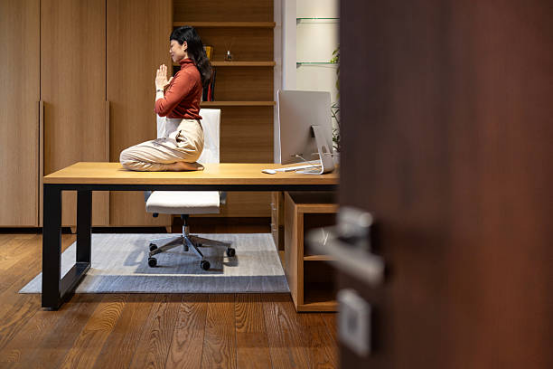
Trends and the future: When clothing becomes a physiological regulator
We’re living in an era of blurred boundaries—clothing is becoming more than just something to wear; it’s becoming a “body interface.” With the advancement of wearable technology, the next generation of yoga pants may be embedded with microsensors to monitor blood flow and posture and even remind you to get up and move around.
This isn’t just fantasy. Brands are already developing integrated circulation monitoring fibers that detect blood flow in the lower limbs through changes in resistance, dynamically adjusting compression. This means that future yoga pants will no longer be passive designs but intelligent systems that respond to body signals.
On a visual level, these high-performance products are also gradually becoming “invisibly professional.” You may have noticed that more and more minimalist designs are quietly replacing the traditional athletic lines. Their appearance in the office is no longer inconspicuous but has become the “new normal”—an accepted symbol of modern health and wellness.
Balance starts with a pair of pants
When we talk about a “healthy lifestyle,” we often think of diet, exercise, and mental conditioning, but we overlook the most fundamental aspect: clothing.
A well-designed pair of yoga pants isn’t just about appearance; it provides an outlet for lower limbs trapped in a chair. They strike a delicate balance between support and pressure relief, allowing the body to regain its rhythmic circulation.
Perhaps, the next time you stretch during a meeting and your legs are no longer sore, you will realize that true health is sometimes hidden in the details of the clothes.