
corner, andNight training is never just a matter of sheer courage. It’s more like a shift in rhythm: the city sounds quiet down, the crowds disperse, and distant lights flicker like guides. The shadows along the track, the dim lampposts around the corner, the lingering warmth in the air—these subtle environmental variables amplify your senses. And in these scenarios, yoga pants, seemingly ordinary training gear, play a more crucial role—visibility, safety, and how body movements are presented in the darkness.
This article will delve into how reflective structures, functional fabrics, and visual visibility truly impact training safety in low-light environments. We will combine industry data, user feedback, and real-world experiences from night runners to build a more systematic and comprehensive understanding of safety. If you think night running is simply a matter of changing into dark-colored workout clothes, then the following content may redefine your training habits.
The real risks and visual disparity in low-light environments
Training in dimly lit environments, whether it’s outdoor night running, yoga in the shade, or a jog before dawn, always underestimates the body’s visibility. Traffic safety studies generally indicate that the human eye needs 30 seconds to 2 minutes to adjust to the light difference after entering a dark environment, and moving body movements are even more likely to blend into the background. In such situations, two typical risks are highly likely to occur:
.First, pedestrian visibility decreases . In particular, dark-colored trousers are almost invisible under streetlights, causing drivers to only realize there is someone ahead when the jogger is already within a dangerous distance.
Secondly, the boundaries of movement are blurred. In low-light training, the lines of your legs are not clear enough in the dark environment, which will affect your own movement assessment, especially for yoga, stretching, and dynamic exercises that require attention to posture.
This is why night runners are increasingly emphasizing wearable visibility. Safety is not just about being seen by others but also about being able to see your own actions.
This is where yoga pants become crucial. They are not just training pants but a fusion of visible activewear designed with safety in mind.
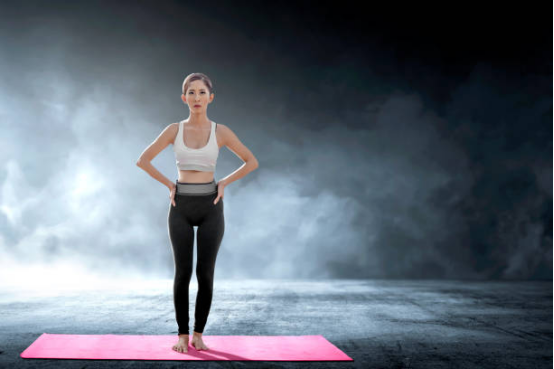
The Scientific Logic and Visual Function of Reflective Element Design
When it comes to night running safety, reflective strips are not just decorative. They come from the mature retroreflective technology used in the traffic safety industry—a structure that reflects light back in a direction close to the angle of incidence. Professional research indicates that the visibility distance of reflective materials can be increased from 30 meters with ordinary fabric to over 150 meters, and this difference often determines the safety window for night runners.
On yoga pants, reflective structures typically take three forms:
1. Interlocking reflective strips
are often found on the sides of the legs and ankles to enhance the movement path of the body. When running at night, the human visual system is more likely to detect regularly moving bright spots, which can significantly improve the runner’s passive safety.
2. Micro-reflective particle fabric:
This technology is commonly found in specific areas of training pants, giving the fabric a subtle shimmer in low light. The greater the movement, the more pronounced the reflection. Suitable for multi-directional training, such as evening yoga, incline climbing, or functional training.
3. 360° wraparound reflective details
are commonly found in running pants. The significance of 360° is not just aesthetics but also maintaining continuous visibility under light from various angles.
A frequently overlooked fact is that reflections on the legs are more easily detected than those on the upper body. This is because the up-and-down movement of the feet during a night run itself creates a visual signal of motion. In other words, adding reflectivity to pants is more effective than adding it to an outer garment.
Technology and Body Feedback in Nighttime Training Fabrics
Beyond reflective design, the second crucial aspect of nighttime training is fabric technology. Yoga pants, often crafted from lightweight, stretchy materials, have specific needs in low-light environments. In these conditions, fabric considerations go beyond mere “skin-hugging comfort”—they also influence:
Body temperature regulation, sweat dissipation, friction sounds during night running, and the perception of body movements.
In the industry, research on night workout safety identifies three key technologies that are central to fabrics used in night training gear, including yoga pants:
- Moisture-wicking and quick-drying technology:
Low-light training is often accompanied by temperature fluctuations, such as cool evening breezes and chilly mornings. Quick-drying fabrics, used in yoga pants and other activewear, can reduce the drop in body temperature caused by moisture, preventing muscle tightness or cramps. - Slightly light-reflecting fibers:
Unlike reflective strips, these fibers do not cause glare. Instead, they refract a small amount of light through their structure, creating a faint, visible silhouette in the shadows. This subtle reflection is especially helpful for judging leg positions during nighttime yoga or stretches. - Noise-Avoiding Knitted Construction:
In nighttime running environments, overly noisy pants can disrupt focus and ruin the training experience. Multi-layered knitting technology, found in some advanced yoga pants, makes movements lighter and quieter, providing a more immersive and comfortable experience during night training.
These design elements are not merely aesthetic; they are essential for enhancing performance and safety during low-light activities. While often unnoticed by users, these technologies make a significant difference in creating optimal training gear for nighttime workouts.
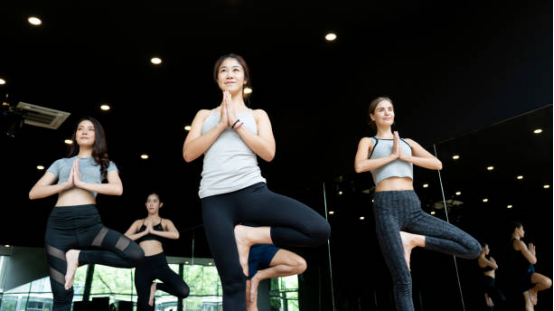
Safety Strategies and Practical Judgments in Low-Light Training
Most people think that the focus of night running or evening yoga is on the route, but in reality, safety strategies often start with how your yoga pants are positioned. Here are four safety tips that are frequently mentioned in the industry but easily overlooked by the general public.
First, enhance the visibility of leg movements.
The reflective design of yoga pants can significantly improve the visibility of your lower body. This allows others to determine whether you are approaching, leaving, or moving laterally. It’s crucial for safety, especially in traffic-heavy environments.
Second, color does not equal safety.
Many people believe that light colors offer better visibility. The opposite is often true: light colors only perform slightly better than dark colors at night. The real difference in safety comes from reflective structures and sheer fabrics, not the color itself.
Third, yoga and night running have different movement requirements.
Some users report that when practicing yoga at night, too much reflection can interfere with focus and immersion. For static training like yoga, micro-reflective fabrics in your yoga pants are often more suitable than larger reflective elements, ensuring visibility without distractions.
Fourth, Safe Visibility Is Not About Being as Bright as Possible.
Excessive glare from overly reflective gear can create glare spots under vehicle headlights, affecting the driver’s judgment. Industry recommendations suggest focusing on enhancing key areas with subtle reflective details, rather than going for full-body brightness.
This means you don’t need glaring gear, but rather a well-designed, visible activewear system, including yoga pants with strategic reflective details.
Real Feedback and Evolution of Users’ Training at Night
In recent years, discussions about night running and nighttime fitness have gradually shifted from “aesthetics” to “safety.” According to community statistics from the sports community, in discussions related to night running accidents, more than 70% of people mentioned being “suddenly seen” by vehicles, pedestrians, or cyclists. It wasn’t a collision but more of a fright.
User experience generally indicates that:
- Reflective strips on yoga pants and other training gear make short-distance identification faster, while subtly shimmering fabric enhances a sense of security at medium distances.
- The reflectivity on the trouser leg area tends to be more effective than the waistline for improving visibility.
- Visibility is more important than color, but most people don’t realize this distinction when selecting their night training attire.
These changes reflect the evolution of training gear: from being primarily aesthetics-driven to safety-focused and now evolving toward a balance between functional design and psychological safety.
If you’d like to explore more about the structural design of training equipment, our website has compiled helpful resources suitable for nighttime trainees. Visit us to learn more about how yoga pants and other gear can improve your nighttime training experience.
The night won’t disappear, but your safety can be amplified.
Training in low light is never a matter of “being brave enough,” but rather a matter of “being visible enough.” The safety features of yoga pants are not an exaggerated function; they have always existed but have been overlooked.
When a person moves in the night, they need a visible outline, an outer layer that can reflect the city’s faint light, and a close-fitting structure that supports motion evaluation.
The next time you’re preparing to train after sunset, try to reflect: were your movements truly being seen?
If you’d like to learn more about yoga pants and related gear, you can also continue reading other related content on our site.
The night won’t get brighter, but you can become clearer.