
Many people face this question when buying pants for the first time: Are yoga pants and sweatpants the same thing? At first glance, they both look great at the gym, both offer some stretch, and some styles don’t even look very different. But when you actually wear them for squats, a run, or a hot yoga class, you discover subtle differences that can directly impact comfort, support, and even performance.
This article will analyze several key points such as material, cut, function, and scenario to help you understand why yoga pants and sweatpants are not the same thing, as well as the basic factors you need to consider when choosing.
Yoga Pants vs. Sweatpants: Surface Similarities, Core Differences
From the appearance, many people will think of yoga pants as tight sports pants. But in fact, the design logic of the two is different.
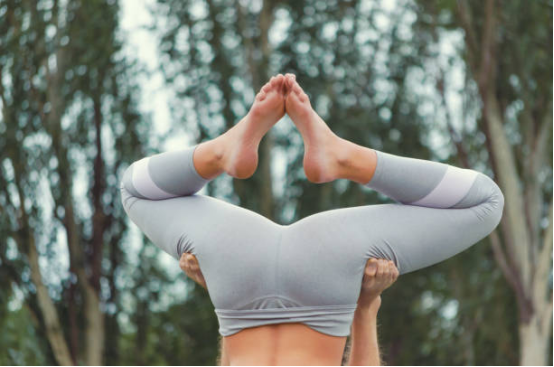
The core goal of yoga pants is to provide the body with a high degree of freedom to stretch. Many yoga moves involve extreme stretching and flipping, so yoga pants emphasize four-way high elasticity, seamless cutting, and a good fit .
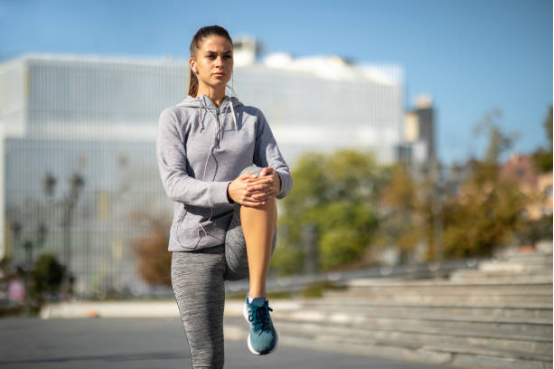
Sports pants (often referred to as training pants or gym leggings) emphasize compatibility with a variety of sports, such as running, high-intensity exercise, and strength training. They may have increased support, compression, and abrasion resistance , and sometimes even incorporate mesh structures into the fabric to enhance breathability.
For example, when you’re sprinting on the treadmill, you need pants that reduce vibration and keep you stable, while in a yoga class, you need pants that stretch naturally with your movements without tightening or restricting your joints.
Material and touch: the key to comfort
If you pick up a pair of yoga pants and a pair of sweatpants, the most obvious difference is the fabric.
Yoga pants : Most are made from a nylon and spandex (Spandex/Elastane) blend. They have a silky, lightweight feel and sit snugly against the skin without being constricting. They often have a “second skin” feel and are particularly well-suited for exercises that require prolonged stretching.
Sports pants : These are typically made of polyester and spandex. They have a slightly stiffer texture and aren’t as stretchy as yoga pants, but they’re more durable and washable. For those who sweat a lot, these fabrics wick away sweat and dry quickly.
I once wore yoga pants for an outdoor run, but after less than three kilometers, I felt severe chafing in my crotch and thighs. They were clearly not designed for this kind of situation. Conversely, when I wore sweatpants to hot yoga, the fabric was stiff and slow to absorb sweat, making me feel uncomfortable throughout the entire class.
Functional design: details determine the experience
In addition to the material, the design details can also show the difference between yoga pants and sweatpants.
Waist design :
Most yoga pants are wrapped at the high waist so that they will not slip down when doing handstands or forward bends, and they can also provide a certain degree of abdominal support.
Sports pants come in a variety of waist styles, including mid-rise and even low-rise styles, and they focus on not getting loose during running and jumping.
Suture treatment :
High-quality yoga pants often have seamless or flat hems to reduce friction.
Track pants may have reinforced seams to ensure durability during impact sports.
Additional features :
Sports pants often have side pockets and zipper pockets, which are convenient for storing mobile phones or keys;
Yoga pants are more minimalist, avoiding bulges or discomfort caused by pockets.
Usage scenario: one pair of pants for multiple uses or a specialized choice?
With the rise of the athleisure trend, many people are wearing yoga pants as part of their daily wardrobe. They’re perfect for going out, grabbing a coffee, or relaxing at home. However, sweatpants are more commonly seen in training settings.
Yoga pants : More suitable for yoga, Pilates, light intensity training, and even daily wear. They emphasize comfort and smooth lines.
Sports pants : suitable for high-intensity sports such as running, weightlifting, CrossFit, etc., with more emphasis on durability and functionality.
A small trend worth noting is that many brands are launching “hybrid pants,” which retain the comfortable fit of yoga pants while also offering enhanced wear resistance. For example, some high-end models utilize a double-layer fabric: an upper layer for support and a lower layer for next-to-skin comfort, eliminating the need for choice.
How to choose pants that suit you?
If you’re hesitant about which one to buy, here are a few factors to help you make a quick decision:
exercise habits
Prefer yoga, Pilates, and stretching: choose yoga pants.
If you prefer running or high-intensity training in the gym: choose sweatpants.
Dressing scene
If you want to use one pair of pants for multiple purposes and wear them for daily outings, choose yoga pants with a strong sense of design.
For gym use only: functional sweatpants are more suitable.
Body shape and comfort
High-waisted yoga pants can shape your body curves and are suitable for most body types.
Compression styles of sweatpants are suitable for people who need muscle support.
Budget and durability
Yoga pants feel better, but are relatively delicate.
Sweatpants are durable and washable, and offer better value for money.
Don’t confuse these two pants anymore
While yoga pants and sweatpants are often conflated in the market, their design concepts and usage scenarios are fundamentally different. The former provides freedom of movement, while the latter provides support for movement. Understanding this can help you choose more accurately, avoiding the negative impact of wearing the wrong pants for the wrong occasion.
Next time you’re in a store, will you hesitate? Or have you already started imagining: a soft pair of yoga pants for classes and shopping, and a tough pair of sweatpants for weekend weight training?