Stiff joints in the winter? Excessive sweating in the summer? How should you choose your yoga pants?

Joint discomfort is especially pronounced when the weather changes. Stiffness and difficulty moving in winter, swelling and soreness in summer—it seems like there’s always a “feeling bad” moment year-round. But in fact, beyond traditional methods like calcium supplements and foot soaks, more and more people are finding answers in yoga—especially a well-fitting pair of yoga pants, which can sometimes be more effective than a whole bottle of painkiller.
So the question is: Are you wearing your yoga pants correctly? Can they really help you deal with minor aches and pains in every season?
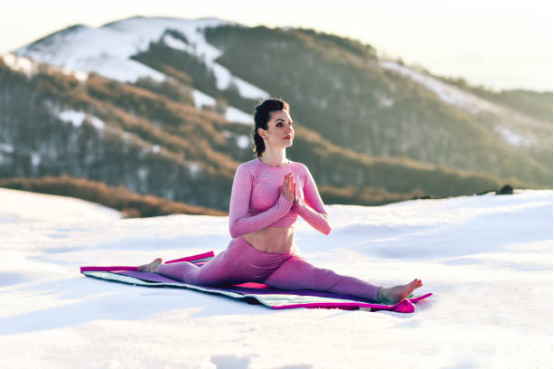
Winter stiffness: Slow down, maybe your joints need some cushioning
When the cold weather sets in, our joints feel like they’ve suddenly aged ten years. Shoulders won’t budge, knees won’t obey, and even just getting out of bed early in the morning can feel the protests from deep within our bones. Gentle yoga exercises become especially crucial at this time.
The most easily overlooked aspect of winter yoga is the support of your pants. Winter yoga, especially Hatha and Yin yoga, involves long stretches of poses. If your legs and waist aren’t properly covered, this can easily exacerbate stiffness. Choosing a thick, supportive pair of yoga pants without bulk is like adding invisible knee pads to your joints. A close-fitting, yet non-constricting design is a must-have for winter yoga practice.
Furthermore, when practicing yoga near a heater, the material is crucial. Compared to pure cotton, modern technical fabrics can retain heat faster without trapping sweat, making them particularly suitable for morning meditation or stretching before bed.
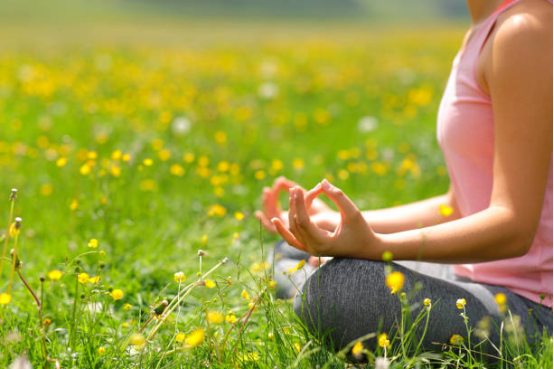
Spring shift: Start light, don’t let heavy pants slow you down
As spring arrives and temperatures rise, the body often lingers in its winter sluggishness. Some people find their movements out of sync with their thoughts, or even feel as if their legs aren’t following their lead. Restorative yoga is a great way to adjust, but don’t overlook your attire.
You need a pair of yoga pants that’s lightweight but not slippery. Pants that are too thick can feel stuck, while pants that are too thin can slip and make you feel unsafe during practice. We recommend choosing a high-waisted pair with a subtle compression design. This will help stabilize your core and provide a secure fit during supported bridge poses or wall poses.
One thing many people overlook is that if pants aren’t stretchy enough, the “full-body stretch” relaxation poses of restorative yoga can become a constraint. So, don’t just focus on the color and pattern; pay attention to the placement of the elastic and whether it’s prone to curling at the waist. These are key factors in determining a comfortable spring yoga session.
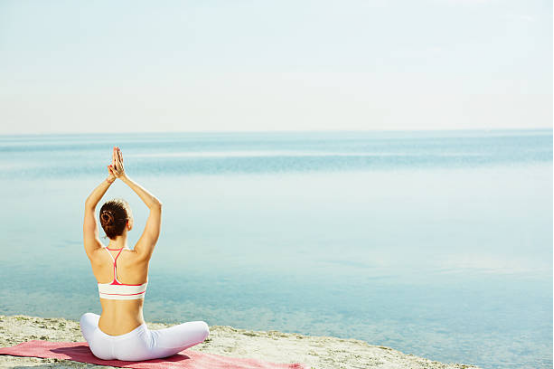
Summer sweating season: moderate flow, don’t be defeated by sweat and stickiness
It’s impossible not to sweat when practicing yoga in the summer. Especially when doing flow yoga or the more dynamic Vinyasa, even the floor is soaked through the entire sequence. Your goal is to let “flow” take center stage—including your pants.
Lightweight, breathable, and quick-drying yoga pants are essential. Ideally, they should fit like a second skin, yet wick away moisture without becoming stuffy. Don’t underestimate this; wet pants not only impair movement flow but can also cause rashes if worn on the knees or thighs for extended periods.
In addition, it is recommended to add some leg opening or core stabilization postures into the practice process, such as boat pose, half moon pose, and side angle pose. Wearing suitable pants can not only reduce the discomfort caused by sweating, but also avoid the risk of injury caused by slipping.
If you often practice yoga outdoors, such as in a park, on a balcony or on a gym terrace, yoga pants with UV protection are also worth a try, which can save you the trouble of applying sunscreen.
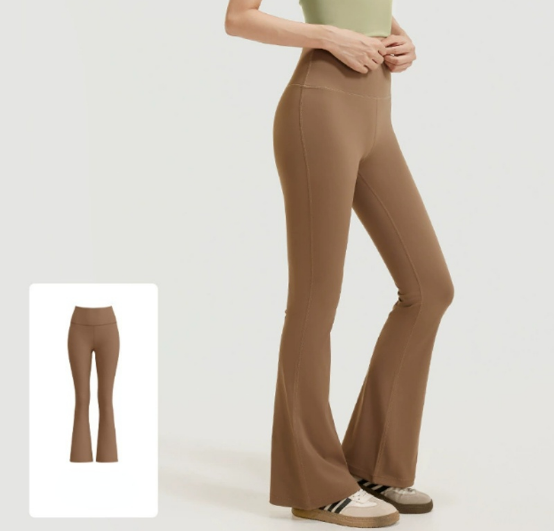
Why is it so hard to find the right person? Many people ignore these misunderstandings
Many people buy yoga pants based solely on appearance or brand, but the true fit and matching with your workout are key to whether they’re comfortable. Here are a few common misconceptions you might have made:
Buying only tight pants doesn’t necessarily mean you’re missing out on the stretch factor. Different exercises require different levels of elasticity, and restorative yoga requires more support than flow yoga.
Ignore the waist design. Low-rise pants can easily slip down when you bend, and you’ll be constantly distracted by trying to pull up your pants while practicing yoga, which greatly reduces your yoga experience.
Excessive pursuit of thinness. Thinness is not necessarily better, especially in Yin yoga and meditation practice. Too thin is not suitable for long-term sitting.
How to choose the material more reliable?
Material recommendations vary depending on the season. For winter, we recommend microfleece or compression fabrics. For spring and summer, opt for stretchy, quick-drying, and soft fabrics that allow for smooth movement. Common materials include Lycra, polyester blends, and stretch nylon, which can be compared by brand.
As the seasons change, so too should your yoga pants.
From winter meditation to spring’s gentle stretches to summer’s flowing stretches, your joints are constantly talking—it’s just a matter of whether you hear them or not. A pair of yoga pants that fits your practice and lifestyle isn’t just about wearing them; it’s about connecting you to your body.
If you are looking for a pair of yoga pants, you might as well click on our yoga equipment to see which one is right for your current situation.
No matter how easy your workout is, don’t let your pants get in the way. Remember: Truly comfortable pants aren’t the ones you remember looking at, but the ones you almost forget they’re there.